TL;DR: Florida averaged roughly 992 crashes per day in 2025 (Florida Highway Safety and Motor Vehicles data). Miami-Dade County alone logged 41,897 crashes, 195 fatalities, and 20,010 injuries, roughly 15% of all Florida crashes in one county. The Florida Turnpike's Homestead Extension runs an accident rate of 39 to 62 per 100 million vehicle miles. AJE Towing & Recovery (786-973-0363, license TL095231) books direct in Homestead.
South Florida drivers don't need a study to tell them the roads here are rough. Sit at any light on US-1 for 10 minutes and you'll see a near-miss. But if you want to understand why Homestead tow trucks run nearly nonstop, and why the wait times on some stretches of the Turnpike are measured in hours, the 2025 data tells a pretty clear story.
Here's what the numbers actually show.
Florida Sees About 992 Car Accidents Every Single Day
According to Florida Highway Safety and Motor Vehicles (FLHSMV) data compiled by Florida personal injury researchers, Florida averaged roughly 992 car accidents per day across 2025. That works out to about one every 87 seconds statewide. Total fatalities reached 2,849 deaths across 2,662 fatal crashes, meaning 7 to 8 people lost their lives on Florida roads every day of the year.
Break that down by type and some patterns stand out:
- Hit-and-run crashes: 91,164 incidents statewide, or about 25.2% of all crashes. Roughly one in four.
- Pedestrian crashes: 10,577 crashes, about 2.9% of the total.
- Bicycle crashes: 9,801, roughly 2.7%.
- Motorcycle crashes: 8,800, about 2.4%.
A separate compilation from Zervos & Calta, PLLC puts Florida's annual average at around 400,000 motor vehicle accidents statewide. Whether you use the 362,000 number from the 2025 daily rate or the 400,000 annual average, the conclusion is the same: Florida is among the worst states in the country for car accidents, and Daytona Beach, Ocala, and Fort Lauderdale have landed among the top 15 worst U.S. cities for car crashes in NHTSA-based studies.
Miami-Dade Carries an Outsized Share of the Damage
Here's where it gets ugly for South Florida specifically. Miami-Dade County alone accounted for 41,897 crashes in 2025, which led to 195 fatalities and 20,010 injuries. That's about 15% of all Florida crashes happening inside one county's borders. Hit-and-run crashes made up 13,122 of those incidents, with 20 fatalities and 2,242 injuries tied to drivers who fled the scene.
One recent national study ranked Miami as the worst city to drive in the United States, citing 5.4 accidents per 1,000 drivers and approximately 16 motor vehicle deaths per 100,000 residents. Miami ranked 10th among major cities in crash frequency, 13th in motor vehicle deaths, 9th in average travel time per mile, and 4th in congestion levels. All four of those factors combine in the kind of stop-and-go, merge-heavy, tourist-mixed conditions that produce crashes and breakdowns.
The Florida Turnpike Near Homestead Is Statistically One of the Worst
Personal injury analyses of Miami-Dade's most dangerous roads put the Florida Turnpike's Homestead Extension (HEFT) among the top crash corridors in the entire state. The accident rate fluctuates between 39 and 62 per 100 million vehicle miles of travel on that stretch, according to tracking by Payer Law Group. A single April 2025 crash on the Turnpike killed five people and injured seven.
Mile Marker 1 in Homestead has been the site of multiple fatal incidents. In November 2025, the Florida Highway Patrol investigated a fatal crash there that shut down all northbound lanes around 3:30 a.m. US-1 (South Dixie Highway) is another hotspot, especially at SW 152nd Street where commercial and residential traffic mix. In December 2024, a man died after being ejected from a box truck that collided with an SUV on that stretch.
For context on 2016 data that's still referenced, the Turnpike and its Homestead Extension together recorded 7 fatal accidents that year, putting it just behind US Route 1 and the Palmetto Expressway among Miami-Dade's deadliest roads.
What It Costs When You're Hit by Someone Without Insurance
Florida is a no-fault state, which means every driver must carry at least $10,000 in Personal Injury Protection (PIP) under Fla. Stat. § 627.736. PIP pays 80% of necessary medical expenses and 60% of lost wages up to the policy limit, regardless of fault. Sounds good until you do the math. A trip to the emergency room with a broken wrist, a couple of follow-ups, and some physical therapy burns through $10,000 fast. When a hit-and-run driver is part of a quarter of Florida's crashes, that ceiling matters.
Alcohol-related crashes cost Florida more than $3 billion annually in medical expenses, legal fees, and property damage. Over 26% of traffic fatalities in the state involve alcohol-impaired drivers.
Tow Truck Response Is the Gap Nobody Talks About
All of those crashes generate one thing the stats don't usually cover: demand for tow trucks. Miami-Dade alone needed response to tens of thousands of crashes in 2025, not counting the breakdowns, flat tires, dead batteries, and lockouts that don't show up in crash statistics but still take a truck off the road. Small and mid-sized tow operators that adopt modern booking and dispatch tools can absorb more of that demand without adding a call center, which is part of why direct-booking wait times are dropping while motor club queues stay stuck. Industry breakdowns of the tradeoff between AAA dispatch and building a direct-booking network show the same pattern playing out nationally.
The motor club model most drivers have bought into compounds the wait problem. When you call AAA, Allstate Roadside, or a similar service, your request gets routed through a national call center and then subcontracted to a local provider at a rate the provider didn't set. Industry data from The Tow Academy shows contracted AAA rates run around $22 base hook fee plus $1.25 per en-route mile, while the same tow booked as a cash call (direct) typically runs $55 to $150 depending on truck size.
That pay difference is why a tow operator running three trucks on a busy Saturday prioritizes direct cash calls over motor club dispatches. Multiple consumer reports over the past three years show AAA customers waiting 3, 6, or even 8 hours for a tow that a direct booking would have handled in under an hour.
The Growth Curve Isn't Slowing
Homestead's population grew 9.82% between the 2020 Census (80,522) and projected 2026 figures (88,433). Miami-Dade County as a whole now sits at 2,738,356 residents, according to the U.S. Census Bureau's 2024 American Community Survey. More residents means more commuters, more delivery trucks, more Amazon vans, and more cars on the same fixed set of lanes.
Commercial real estate reporting in South Dade News Leader from October 2025 notes the Homestead commercial real estate market continues to show steady investor interest driven by affordable land prices and population growth. Every new warehouse off Krome means more box trucks and more semi-trailer traffic. Every new townhome development in the 245-unit scale that Palmcorp Development Group has revised for Homestead adds hundreds of daily commuter trips.
More growth, same roads. That math doesn't leave a lot of room for slower tow response times.
Why These Numbers Matter for How You Choose a Tow Service
If you average the wait time data and the motor club pay data together, one conclusion keeps showing up: drivers who call a local tow operator directly get help faster, get a clearer price upfront, and generally get a better experience than drivers who wait on a third-party dispatcher to find someone willing to take a low-margin job.
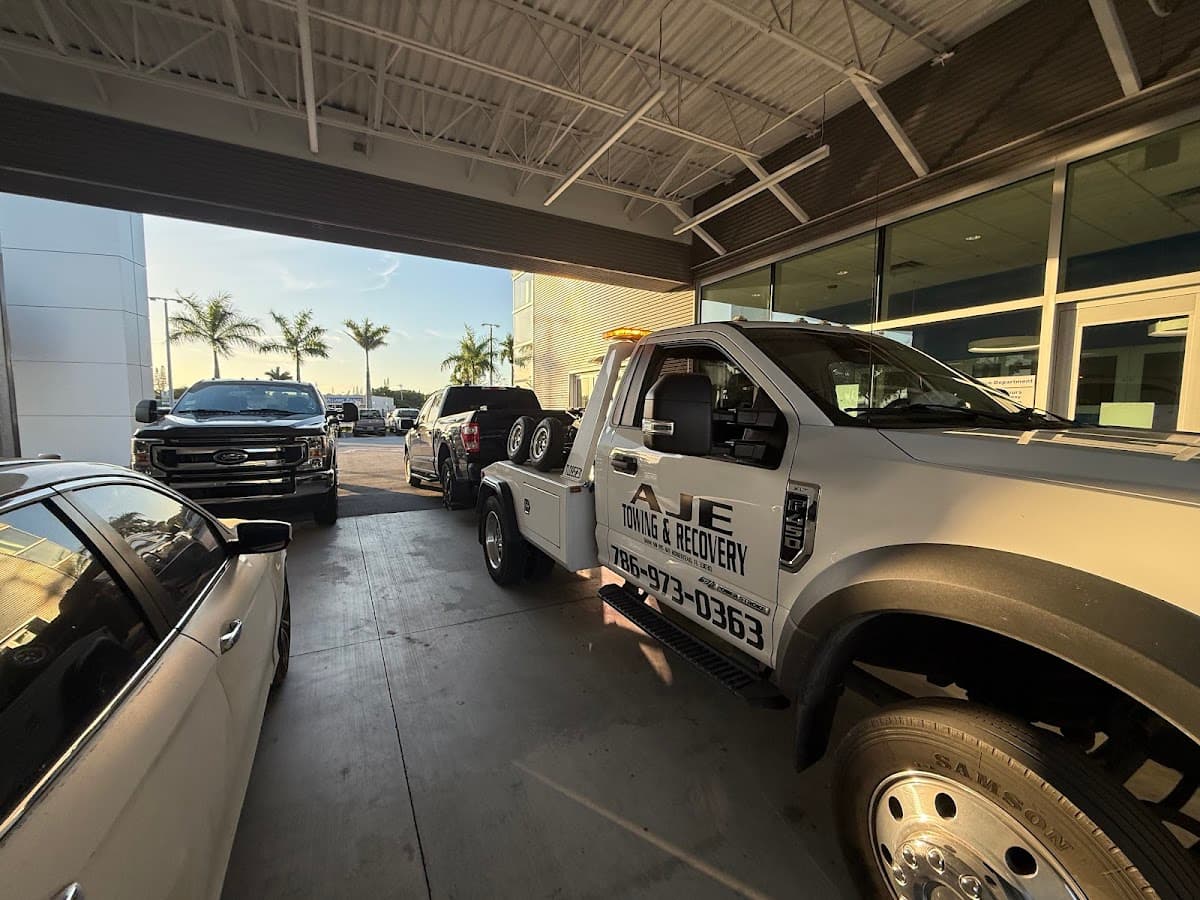
AJE Towing & Recovery LLC is one of the local options serving Homestead and the broader South Dade area, licensed under Consumer Affairs Miami/Dade license TL095231. Direct booking through ajetowingrecovery.com or by phone at (786) 973-0363 skips the call-center layer and gets a driver dispatched locally. For drivers navigating US-1, the Florida Turnpike, Krome, or any of the other roads the 2025 data flagged, that difference can save hours of roadside waiting. For a deeper look at how Homestead's growth is changing local road demand, or the specifics of why direct-booking a tow beats a motor club, see the companion pieces.
FAQ
How many car accidents happen in Miami-Dade County each year? Miami-Dade County reported 41,897 crashes in 2025 according to Florida Highway Safety and Motor Vehicles data, resulting in 195 fatalities and 20,010 injuries. Miami-Dade accounts for approximately 15% of all crashes in Florida.
What's the accident rate on the Florida Turnpike Homestead Extension? The HEFT's accident rate ranges from 39 to 62 per 100 million vehicle miles traveled, according to Miami-Dade crash tracking. It's among the most dangerous stretches of highway in the state. A single April 2025 crash on the Turnpike killed five people and injured seven.
How fast does Florida require tow trucks to arrive? Florida doesn't set a legal response time for tow services. Motor club contracts typically promise a one-hour window but industry complaints consistently report waits of 3 to 8 hours during peak demand. Direct bookings with local operators typically resolve faster because the trip isn't routed through a national call center first.
Does PIP insurance cover towing after an accident in Florida? Florida's Personal Injury Protection requirement under Fla. Stat. § 627.736 covers 80% of medical expenses and 60% of lost wages up to $10,000, but it does not cover vehicle damage or towing. Towing is typically covered by optional roadside or collision coverage on your auto policy, or paid out of pocket if you book a cash call directly.